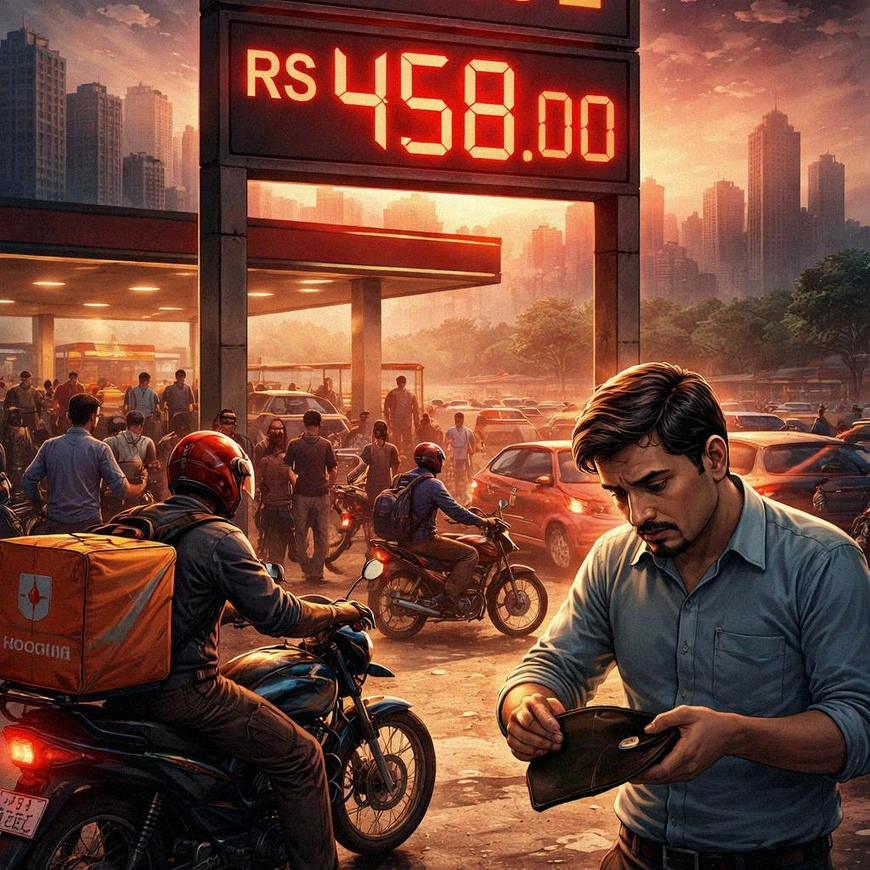
It started as a whisper. A few rupees increase here, a few there. But by April 2026, the petrol price in Pakistan has shattered all records — crossing Rs. 458 per liter in major cities like Karachi, Lahore, and Islamabad. For the average Pakistani, this is no longer a headline. It's a daily nightmare.
I spoke to a rickshaw driver in Rawalpindi last week. He said, "Bhai, ab toh fuel hi mehnga hai ke kamaai khatam ho gayi." (Brother, fuel is so expensive that my earnings have vanished). His words stuck with me. This crisis is not about economics textbooks. It's about fathers, students, shopkeepers, and daily wagers.
In this detailed blog, we will walk through the real impact of rising petrol prices on the Pakistani common man — not just numbers, but emotions, struggles, and small solutions that still matter.
🔍 Key Insights at a Glance (April 2026)
- 💰 Current Petrol Price: Rs. 458 – 465 per liter (varies by city)
- 📈 Increase in last 12 months: +38%
- 🚍 Public transport fare hike: Up to 45% in major cities
- 🧑🔧 Daily wage earners affected: Over 12 million in transport & delivery sector
- ⚡ Alternative energy shift: 63% increase in queries for electric bikes in 2026
Why Petrol Prices in Pakistan Keep Rising – The Real Reasons
You might be wondering: why does Pakistan suffer so much from global oil price changes? Unlike oil-rich countries, Pakistan imports nearly 85% of its petroleum needs. When the global market sneezes, Pakistan catches pneumonia. But that's not all.
- Weakening Pakistani Rupee (PKR): In 2026, the dollar remains strong, making oil imports expensive.
- High Petroleum Levy & Taxes: The government adds heavy taxes per liter – almost Rs. 80-90 goes to taxes.
- Global tensions: Conflicts in oil-producing regions keep supply uncertain.
- Smuggling & inefficiencies: Cross-border smuggling of subsidized fuel also disturbs local markets.
The Ripple Effect: How High Petrol Prices Hit the Common Man
Let's make it personal. Meet Usman, a bank officer in Lahore earning Rs. 75,000/month. Two years ago, his monthly petrol cost for commuting was Rs. 8,000. Today? Over Rs. 22,000. That's a massive chunk from his salary. His children's tuition fees? Same as before. Grocery bills? Up by 60%.
Usman is not alone. Across Pakistan, the middle class is cutting down on basics — less meat, fewer outings, delayed medical checkups.
🚛 Daily Wage Earners: The Silent Sufferers
For a delivery rider on a 70cc bike, every liter of petrol now eats up almost half a day's earning. Many have switched to selling vegetables or working as laborers just to survive. The fuel crisis has literally pushed thousands below the poverty line.
🏫 Students & Remote Learning
College students who commute 20-30 km daily are now skipping classes or begging for extra allowances. Some universities in Punjab have seen a 15% drop in physical attendance because students cannot afford fuel.
Advantages & Disadvantages of Rising Petrol Prices
✅ Unexpected Advantages
- Less unnecessary travel & car usage
- Slight reduction in air pollution in big cities
- Growing interest in electric vehicles (EVs) & solar energy
- Carpooling culture is reviving among colleagues
- Government is forced to rethink energy policies
❌ Devastating Disadvantages
- Massive increase in transportation & food prices
- Financial breakdown of lower-middle-class families
- Small businesses shutting down due to logistics cost
- Mental stress, anxiety, and domestic issues rise
- Higher inflation (CPI expected above 28% in 2026)
Can the Government Fix It? Practical Solutions for Pakistan
Blaming the government is easy, but real solutions require bold steps. Here is what experts suggest:
- Reduce petroleum levy temporarily to give relief to the poor.
- Invest in cheap public transport – electric buses, metro expansions.
- Subsidize electric bikes & rickshaws with easy installment plans.
- Crack down on fuel smuggling and improve refinery efficiency.
- Promote work-from-home policies for IT and office sectors.
If you want to learn more about sustainable solutions, read our latest tech blogs on renewable energy trends in Pakistan.
Also, the economic slowdown is affecting the education sector. Learn more about AI in coding and how freelancing can be an alternative income source for students hit by inflation.
For practical tips on saving fuel and money, explore more guides here from our financial literacy series.
Final Thoughts: How Long Can the Common Man Survive?
This is not a political blog. It's a human story. Every time a father fills his bike, he calculates: "Should I buy milk today or petrol for tomorrow?" That is the painful reality of 2026 in Pakistan.
But there is still hope. Communities are adapting — carpool WhatsApp groups are booming, people are shifting to hybrid work, and many are switching to LPG or electric options. The key is awareness and small collective actions.
We at EduTech believe that knowledge is the first step to change. Share this blog with someone who is struggling — they might find a small solution or at least feel that they are not alone.
Frequently Asked Questions (FAQs)
Published: April 2, 2026 | Last updated: April 2, 2026 | Source: EduTech Pakistan Research Desk